Raw cheese is famous for its rich, authentic flavor, traditional craftsmanship, and preserved natural nutrients. People love it because unpasteurized milk retains beneficial enzymes and probiotics, delivering superior taste, better digestion, and artisanal quality.
Making raw cheese recipes at home also gives you plenty of choices. You can combine pure unpasteurized milk with soft curds, aged textures, mild herbs, or rich cream depending on what equipment and ingredients you have in your kitchen.
These 3 raw cheese recipes offer simple ingredients, easy steps, serving ideas, pairing options, and useful substitutions for quick snacks, breakfast spreads, savory boards, and family gatherings.
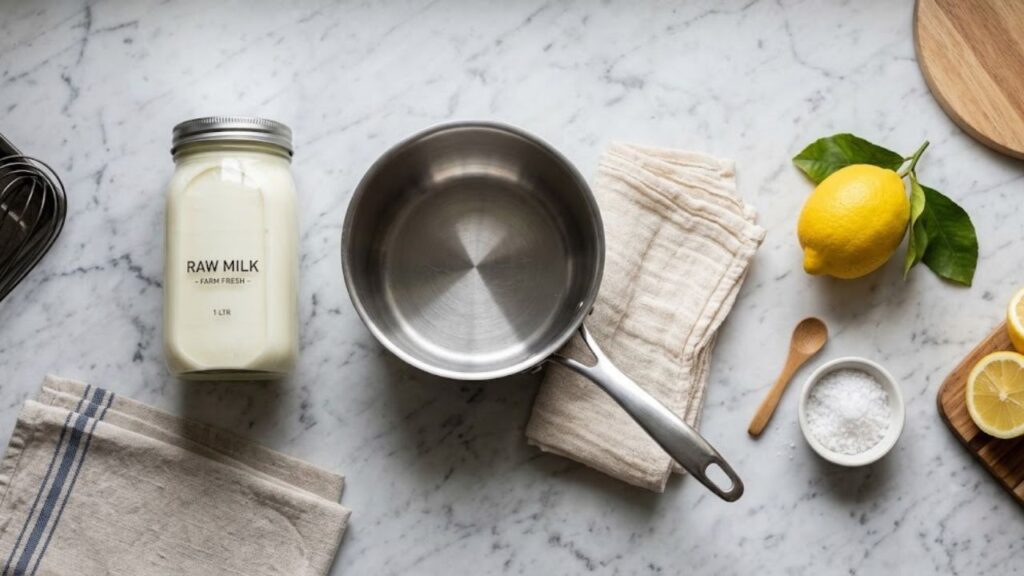
Raw Cheese Recipes and Preparation Time
These raw cheese recipes include preparation, processing, and total times before each recipe. Check the time listed for each option, then choose the recipe that best fits your schedule and available ingredients before you begin preparing your homemade raw cheese.
1. Simple Raw Farmer Cheese
- Preparation Time: 15 minutes
- Cooking/Resting Time: 45 minutes
- Total Time: 1 hour
- Yield: 1 cup cheese
2. Traditional Artisan Raw Cheddar
- Preparation Time: 30 minutes
- Aging/Pressing Time: 24 hours
- Total Time: 24 hours 30 minutes
- Yield: 1 lb cheese
3. Creamy Raw Milk Soft Herb Cheese
- Preparation Time: 10 minutes
- Resting Time: 12 hours
- Total Time: 12 hours 10 minutes
- Yield: 1.5 cups cheese
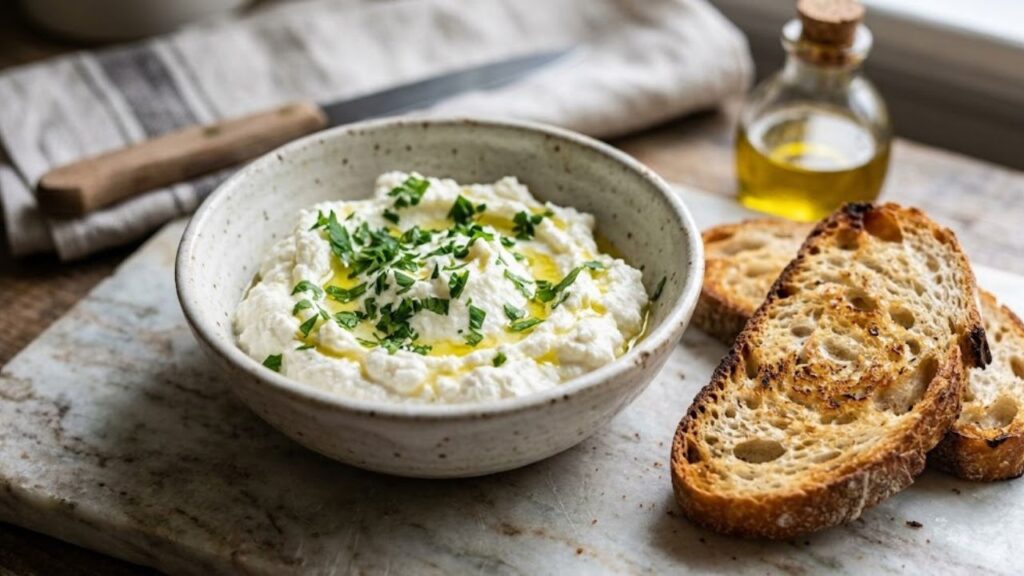
Recipe 1. Simple Raw Farmer Cheese
This simple raw farmer cheese combines fresh unpasteurized milk with fresh lemon juice, sea salt, and basic herbs. It is light, soft, and simple to prepare for an easy homemade spread.
Ingredients
- 4 cups fresh raw milk
- 2 tablespoons fresh lemon juice
- 1/2 teaspoon fine sea salt
- 1 tablespoon chopped fresh parsley
- 1 tablespoon olive oil
- 1 pinch black pepper
Instructions
- Prepare the equipment
Clean and sterilize a large glass bowl, stainless steel pot, colander, and cheesecloth before starting the cheese. - Heat the raw milk
Pour the fresh raw milk into a stainless steel pot and warm it gently over low heat until it reaches lukewarm temperature. - Add the acid
Slowly stir in the fresh lemon juice to help separate the curds from the liquid whey. - Form the curds
Allow the mixture to sit undisturbed for 10 minutes until soft curds begin to float. - Drain the curds
Pour the mixture through a cheesecloth-lined colander to drain off the excess whey liquid. - Season the cheese
Transfer the drained curds to a bowl and gently stir in sea salt, olive oil, and black pepper. - Add fresh herbs
Fold in the chopped fresh parsley during the final mixing step. - Shape and serve
Press the fresh soft cheese into a small mold or bowl and serve fresh.
Best Drinks
- Fresh apple cider
- Cold sparkling water
- Herbal chamomile tea
- Light white grape juice
Serving Ideas
Serve simple raw farmer cheese with toasted sourdough bread, fresh cucumbers, crisp crackers, or sliced apples. You can also drizzle extra olive oil over the top for extra richness.
Ingredient Substitutions
| Original Ingredient | You Can Use Instead |
| Lemon juice | Raw apple cider vinegar |
| Fresh parsley | Fresh dill |
| Olive oil | Melted raw butter |
| Sea salt | Himalayan pink salt |
| Black pepper | Crushed red pepper flakes |

Recipe 2. Traditional Artisan Raw Cheddar
This traditional artisan raw cheddar combines pure unpasteurized milk with natural culture, rennet, and sea salt. The rich curds create a firm and deeply satisfying homemade cheese block.
Ingredients
- 1 gallon fresh raw milk
- 1/8 teaspoon mesophilic culture
- 1/4 teaspoon liquid rennet (mixed in 2 tbsp non-chlorinated water)
- 1 teaspoon coarse sea salt
- 1/2 teaspoon cracked black pepper
Instructions
- Prepare the milk
Clean all equipment thoroughly, then pour the fresh raw milk into a heavy pot. - Warm the milk
Warm the raw milk gently until it reaches room temperature, stirring slowly. - Add the culture
Sprinkle the mesophilic culture over the top of the milk, let it rehydrate for 2 minutes, then stir thoroughly. - Add the rennet
Pour in the diluted liquid rennet and stir gently in an up-and-down motion for 1 minute. - Cut the curds
Let the milk rest for 45 minutes until set, then cut the firm curd into small uniform cubes. - Warm and drain
Gently heat and stir the curds for 20 minutes, then pour off the liquid whey using cheesecloth. - Salt and mold
Mix the coarse sea salt into the warm curds and press them firmly into a cheese press or mold. - Press and age
Apply light pressure for 12–24 hours until firm, then unmold and store in a cool space to age.
Best Drinks
- Sparkling water with lemon
- Hot herbal tea
- Unsweetened iced tea
- Fresh pomegranate juice
Serving Ideas
Serve artisan raw cheddar on a charcuterie board with raw walnuts, dried figs, artisan crackers, or sliced pears. Fresh grapes also add vibrant flavor alongside the cheese.
Ingredient Substitutions
| Original Ingredient | You Can Use Instead |
| Mesophilic culture | Fresh raw buttermilk |
| Liquid rennet | Vegetable rennet |
| Coarse sea salt | Fine sea salt |
| Black pepper | Smoked paprika |
| Raw milk | Raw goat milk |

Recipe 3. Creamy Raw Milk Soft Herb Cheese
This creamy raw milk soft herb cheese combines rich raw cream, fresh garlic, chives, and sea salt. It creates a smooth and comforting spread for a quick homemade snack.
Ingredients
- 2 cups fresh raw milk
- 1 cup fresh raw cream
- 1 tablespoon raw lemon juice
- 1 garlic clove, minced
- 2 tablespoons fresh chopped chives
- 1/2 teaspoon fine sea salt
- 1/4 teaspoon white pepper
Instructions
- Prepare the dairy
Combine the fresh raw milk and raw cream together in a clean glass bowl. - Stir in the acid
Add the raw lemon juice gently into the mixture to begin the soft curdling process. - Rest the mixture
Cover the bowl with a clean towel and allow it to rest at room temperature overnight. - Drain the moisture
Pour the mixture into a fine cheesecloth bag and hang it to drain for 2 to 3 hours. - Add garlic and seasonings
Transfer the thickened soft cheese to a bowl and mix in minced garlic, sea salt, and white pepper. - Fold in herbs
Add the fresh chopped chives and fold them gently throughout the creamy cheese. - Chill the spread
Place the cheese in an airtight jar and chill in the refrigerator for 1 hour to set. - Garnish and serve
Scoop into a small bowl, top with extra chives, and serve cold.
Best Drinks
- Iced green tea
- Lemon sparkling water
- Unsweetened fruit tea
- Freshly squeezed orange juice
Serving Ideas
Serve creamy raw soft herb cheese with warm pita bread, fresh radish slices, celery sticks, or seed crackers. A drizzle of raw honey can also add extra contrast.
Ingredient Substitutions
| Original Ingredient | You Can Use Instead |
| Fresh chives | Fresh green onion tops |
| Minced garlic | Garlic powder |
| Raw cream | Raw sour cream |
| Lemon juice | White wine vinegar |
| White pepper | Black pepper |
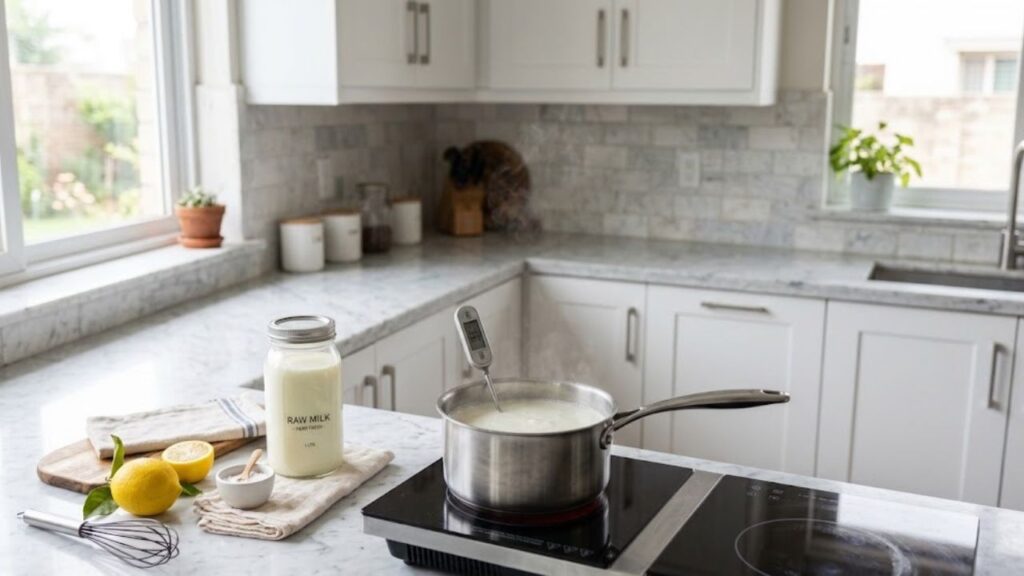
Common Raw Cheese Mistakes
Making raw cheese recipes is simple, but common mistakes can affect the flavor, texture, and overall result. Using fresh raw milk, clean equipment, and correct temperatures while avoiding boiling temperatures can help create a delicious homemade dairy batch.
Milk Quality
Using old or improperly stored raw milk can affect curd formation. Choose fresh, high-quality raw milk from trusted sources and keep it chilled until you begin crafting your cheese.
Sterilization
Unclean bowls or utensils can spoil fresh curds quickly. Clean all cheesecloths, pots, spoons, and molds thoroughly before starting any recipe.
Temperature Control
Overheating raw milk destroys beneficial natural enzymes and alters the curd formation. Warm the milk slowly over gentle heat and check temperatures carefully.
Draining
Over-draining curds can make the final cheese dry and crumbly instead of moist. Monitor the draining time closely based on whether you want soft or hard cheese.
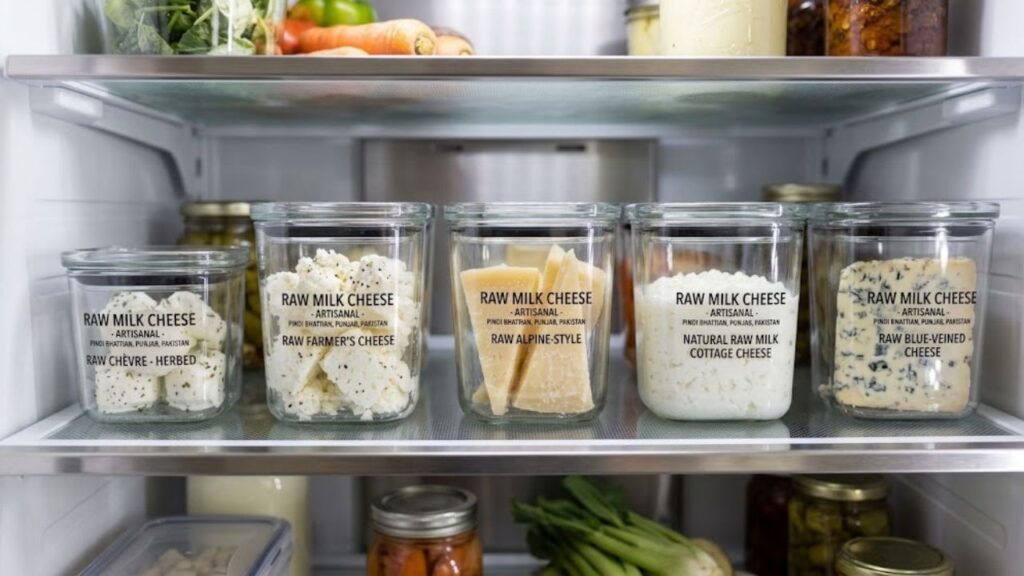
Storage Tips for Raw Cheese
Proper storage helps maintain the flavor, texture, and quality of homemade raw cheese. Place finished cheese in clean airtight containers, refrigerate it promptly, and consume fresh batches within reasonable times.
For safe fresh raw cheese storage, see the USDA’s official food safety guide for tips on storing and handling leftovers.
Simple Farmer Cheese
Store farmer cheese in a sealed glass container in the refrigerator. Use within 5 to 7 days for the best flavor and fresh texture.
Artisan Cheddar Cheese
Keep artisan cheddar wrapped in breathable cheese paper or wax paper. Store in a cool place or refrigerator crisper drawer for long-term aging.
Creamy Soft Herb Cheese
Store creamy herb cheese in an airtight glass jar in the refrigerator. Consume within 5 days to enjoy its fresh herbal taste.
Raw Goat Variations
Keep any raw goat cheese stored in airtight containers separate from strong-smelling foods so it retains its natural clean flavor.
FAQs
1. What is raw cheese made from?
Raw cheese is made using unpasteurized milk, natural starter cultures or acids, rennet, sea salt, fresh herbs, and natural seasonings without high-heat processing.
2. How can I make cheese flavorful without cooking the milk?
Fresh garlic, herbs, sea salt, lemon juice, cracked pepper, olive oil, and natural fermentation techniques add rich flavor to raw milk cheese without high heat.
3. Can I add fresh herbs and spices to raw cheese?
Yes. Parsley, chives, dill, garlic, black pepper, paprika, and other dried or fresh spices can be added during the salting or shaping stage for great flavor.
4. Can I prepare raw cheese ahead of time?
Yes. Soft cheeses can be made a day ahead and refrigerated, while hard raw cheeses require aging for days or weeks before serving.

Conclusion
These 3 simple traditional artisan raw cheese recipes offer easy ways to prepare flavorful homemade dairy products with pure raw milk, fresh herbs, lemon juice, sea salt, and natural cultures. From simple farmer cheese to artisan cheddar and creamy herb spreads, each recipe provides a delightful way to enjoy raw dairy at home.
About the Author
I enjoy creating simple and delicious recipes that are easy to prepare at home. My goal is to share practical meal ideas with clear ingredients, easy instructions, and helpful cooking tips so everyone can enjoy homemade food.