Raw milk cheese is known for its rich flavor, creamy texture, and natural character. People especially enjoy it because different types of cheese can add savory flavor, richness, and a satisfying texture to homemade meals.
Using raw milk cheese in cooking also gives you plenty of choices. You can enjoy it simply with fresh ingredients, melt it over toast, or combine it with pasta for a creamy and flavorful meal.
These 3 raw milk cheese recipes explain basic preparation, followed by two quick dishes with simple ingredients, easy steps, and substitutions.

Raw Milk Cheese Recipes and Preparation Time
These raw cheese recipes include preparation and total times before each recipe. Check the time listed for each option, then choose the recipe that best fits your schedule and available ingredients before you begin.
Recipe. 1
- Preparation Time: 10 minutes
- Cooking Time: 15 minutes
- Total Time: 25 minutes
- Yield: About 4 servings
Recipe. 2
- Preparation Time: 5 minutes
- Cooking Time: 10 minutes
- Total Time: 15 minutes
- Yield: 4 servings
Recipe. 3
- Preparation Time: 5 minutes
- Cooking Time: 20 minutes
- Total Time: 25 minutes
- Yield: 4 servings

1. Simple Raw Milk Cheese Preparation
Raw milk cheese is traditionally made from milk that has not been pasteurized before cheesemaking. The general cheesemaking process involves adding a starter culture and a coagulant to help the milk form curds. The curds are then separated from the whey, shaped, salted, and aged depending on the type of cheese being produced.
The exact process, temperature, aging time, and safety requirements vary by cheese type. Because raw milk can contain harmful bacteria, raw cheese should be made only with appropriate food-safety controls and according to applicable local regulations. For everyday home cooking, commercially prepared cheese from a trusted source is a safer and more practical choice.
Ingredients
- Prepared raw milk cheese from a trusted source
- Fresh herbs, optional
- Sea salt, optional
- Black pepper, optional
- Fresh vegetables, optional
- Crackers or toasted bread, optional
Directions
- Choose the cheese
Select a commercially prepared raw milk cheese from a trusted source and check its storage and safety information before using it. - Check the cheese
Make sure the cheese has been stored properly and is within its recommended use period. - Prepare the serving ingredients
Wash fresh vegetables and herbs thoroughly. Slice bread or prepare crackers if serving the cheese as an appetizer. - Cut the cheese
Cut the cheese into slices, cubes, or small portions depending on how you plan to serve it. - Add simple seasonings
Add a small amount of black pepper, fresh herbs, or other suitable seasonings for extra flavor. - Serve fresh
Arrange the cheese with bread, crackers, vegetables, or fruit and serve according to the cheese type. - Store leftovers
Wrap the remaining cheese properly and refrigerate it according to the package instructions.
Best Drinks
- Sparkling water
- Apple juice
- Lemon water
- Unsweetened iced tea
Serving Ideas
Serve raw milk cheese with toasted bread, crackers, fresh vegetables, grapes, apples, or a simple green salad. It can also be added to a cheese board for family gatherings and casual meals.
Ingredient Substitutions
| Original Ingredient | You Can Use Instead |
| Raw milk cheese | Pasteurized cheese |
| Fresh herbs | Dried herbs |
| Crackers | Toasted bread |
| Fresh vegetables | Roasted vegetables |
| Black pepper | Italian seasoning |

2. Quick Raw Milk Cheese Toast
This raw milk cheese toast is a simple recipe that combines prepared raw milk cheese with toasted bread, garlic, herbs, and a little olive oil. The cheese becomes soft and flavorful while the toast adds a pleasant crisp texture.
Ingredients
- 4 slices sourdough or whole-grain bread
- 4 ounces prepared raw milk cheese
- 1 tablespoon olive oil
- 1 garlic clove, minced
- 1 teaspoon fresh parsley, chopped
- 1/4 teaspoon black pepper
- 1/4 teaspoon salt
- 1 teaspoon lemon juice
Directions
- Prepare the bread
Arrange the bread slices on a baking sheet or in a toaster and toast until lightly golden. - Prepare the cheese
Slice or crumble the raw cheese into small pieces so it can spread easily over the warm toast. - Add olive oil
Brush each toast slice lightly with olive oil. - Add the garlic
Rub the minced garlic gently over the toasted bread or sprinkle a small amount on top. - Add the cheese
Spread or arrange the prepared raw cheese evenly over each toast slice. - Add seasonings
Sprinkle with black pepper, salt, and chopped parsley. - Add lemon
Finish with a small amount of fresh lemon juice for brightness. - Serve warm
Serve the toast immediately while the bread is still crisp.
Best Drinks
- Lemon water
- Sparkling water
- Unsweetened iced tea
- Fresh apple juice
Serving Ideas
Serve raw milk cheese toast for a quick breakfast, light lunch, or simple appetizer. Pair it with tomato salad, cucumber slices, fresh fruit, or a bowl of vegetable soup.
Ingredient Substitutions
| Original Ingredient | You Can Use Instead |
| Sourdough bread | Whole-grain bread |
| Raw milk cheese | Pasteurized cheese |
| Olive oil | Butter |
| Fresh parsley | Dried parsley |
| Lemon juice | Fresh lime juice |
| Garlic | Garlic powder |
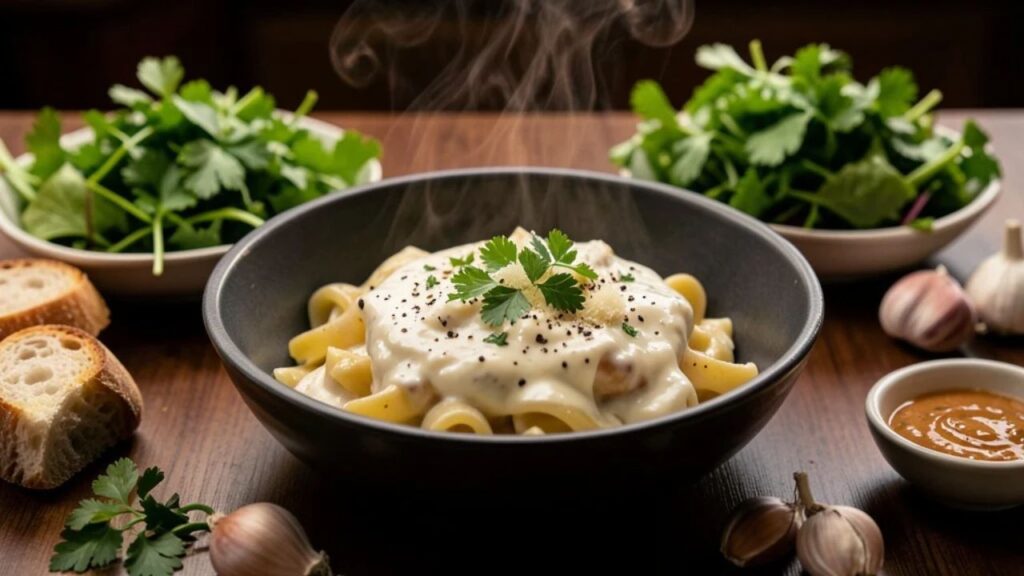
3. Creamy Raw Milk Cheese Pasta
This creamy raw cheese pasta combines cooked pasta with a smooth cheese sauce, garlic, herbs, and black pepper. The prepared cheese adds a rich flavor while simple ingredients keep the recipe easy enough for a quick homemade meal.
Ingredients
- 8 ounces pasta
- 4 ounces prepared raw milk cheese
- 1 tablespoon butter
- 1 garlic clove, minced
- 1/2 cup heavy cream
- 1/4 cup reserved pasta water
- 1/4 teaspoon Italian seasoning
- 1/4 teaspoon black pepper
- 1/4 teaspoon salt
- 1 tablespoon fresh parsley, chopped
Directions
- Cook the pasta
Bring a pot of salted water to a boil and cook the pasta according to the package directions until tender. - Reserve pasta water
Before draining, reserve about 1/4 cup of the pasta cooking water. - Prepare the garlic
Melt the butter in a large skillet over medium heat. Add the minced garlic and cook briefly until fragrant. - Add the cream
Pour the heavy cream into the skillet and stir gently over moderate heat. - Add the cheese
Add the prepared raw cheese and stir until it begins to blend into the creamy sauce. - Adjust the sauce
Add a small amount of reserved pasta water and stir until the sauce reaches a smooth consistency. - Season the sauce
Add Italian seasoning, black pepper, and salt. Stir gently to combine. - Combine the pasta
Add the cooked pasta to the skillet and toss until evenly coated with the creamy cheese sauce. - Finish with herbs
Sprinkle fresh parsley over the pasta and serve warm.
Best Drinks
- Sparkling water
- Lemon water
- Unsweetened iced tea
- Fresh apple juice
Serving Ideas
Serve creamy raw cheese pasta with a fresh green salad, roasted vegetables, garlic bread, or steamed broccoli. It also works well as a simple family dinner when you want a creamy pasta dish without complicated ingredients.
Ingredient Substitutions
| Original Ingredient | You Can Use Instead |
| Raw milk cheese | Pasteurized cheese |
| Heavy cream | Half-and-half |
| Butter | Olive oil |
| Fresh parsley | Dried parsley |
| Italian seasoning | Dried oregano |
| Pasta | Gluten-free pasta |
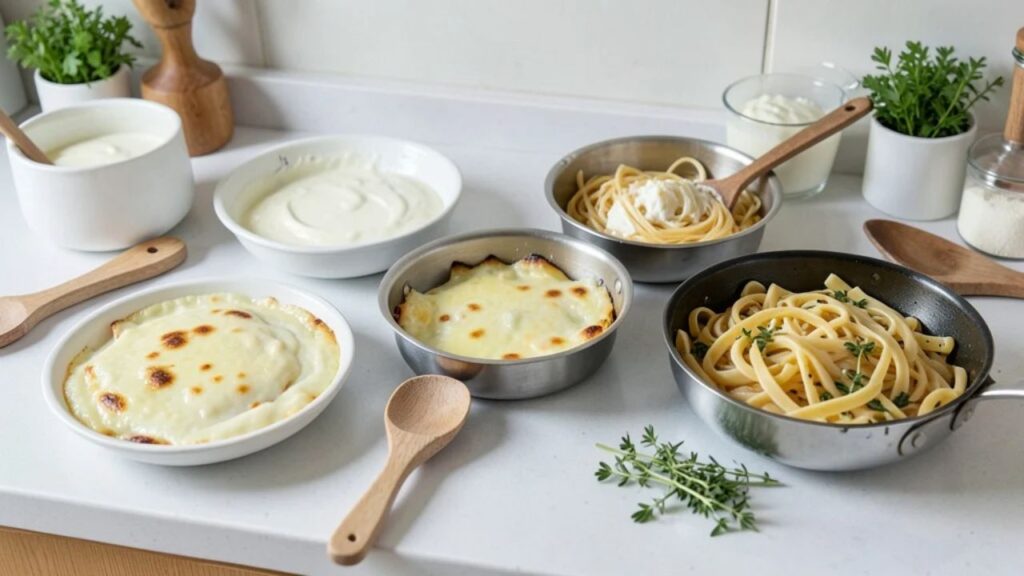
Common Raw Milk Cheese Cooking Mistakes
Making meals with raw cheese is simple, but common mistakes can affect the flavor, texture, and food safety of the final dish. Using properly stored cheese, moderate heat, and the right cooking method can help create better results.
Poor Storage
Raw cheese should be stored according to the package instructions. Leaving cheese at room temperature for too long can affect its quality and safety.
High Heat
Very high heat can cause cheese sauces to become oily or separate. Use moderate heat and stir gently when melting cheese into sauces.
Too Much Liquid
Adding too much cream or pasta water at once can make a cheese sauce too thin. Add liquid gradually until the desired consistency is reached.
Overcooking Pasta
Overcooked pasta can become soft and lose its texture when combined with a creamy cheese sauce. Cook it according to the package directions and avoid boiling it for too long.
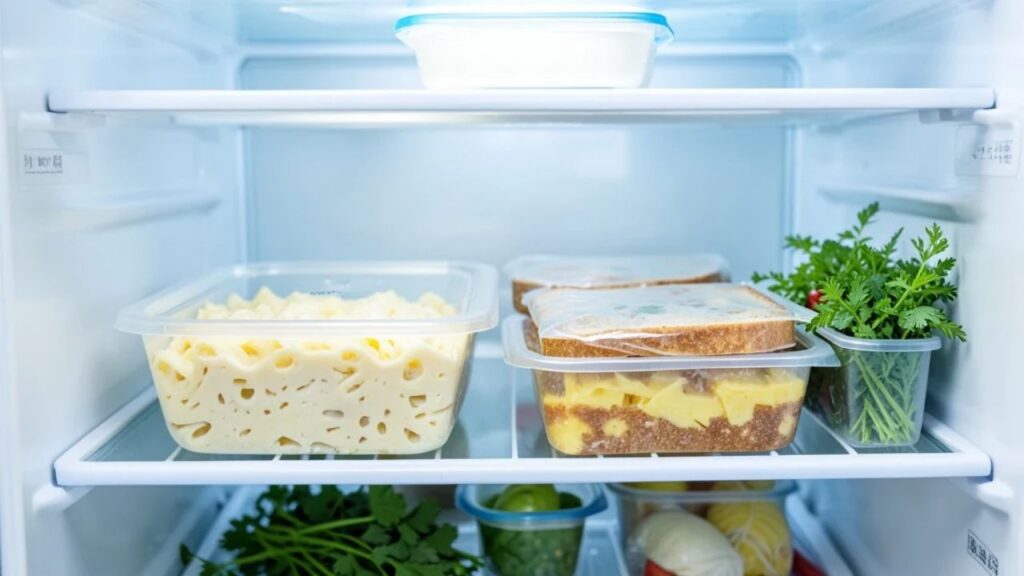
Storage Tips for Raw Milk Cheese
Proper storage helps maintain the flavor, texture, and quality of raw cheese dishes. Refrigerate leftovers promptly in clean, covered containers and follow the cheese package’s storage instructions.
Simple Cheese Preparation
Store leftover raw cheese in its original packaging or wrap it properly before refrigerating. Follow the manufacturer’s storage and use-by guidance.
Cheese Toast
Store leftover cheese toast in an airtight container in the refrigerator. For the best texture, reheat it briefly in an oven or toaster oven rather than serving it cold.
Creamy Pasta
Store creamy raw milk cheese pasta in an airtight container in the refrigerator. Reheat gently and add a small splash of water or milk if the sauce becomes too thick.
Freezing
Freezing cheese dishes can change their texture, especially creamy sauces. For the best quality, enjoy raw cheese toast and creamy pasta fresh or refrigerated within the recommended storage period.
For more information about raw milk safety, read the FDA’s Food Safety and Raw Milk guidance.
FAQs
1. What is raw milk cheese?
Raw milk cheese is cheese made from milk that has not been pasteurized before cheesemaking. Different varieties can have different flavors, textures, aging requirements, and preparation methods.
2. How is raw milk cheese made?
Raw milk cheese is generally made by culturing milk, forming curds with a coagulant, separating curds from whey, and then shaping, salting, and aging the cheese depending on the variety.
3. Can I use raw milk cheese in pasta?
Yes, prepared raw cheese can be used in pasta dishes to add a rich and creamy flavor. Use moderate heat when melting it into a sauce.
4. Can I use raw milk cheese on toast?
Yes, raw milk cheese can be served on toasted bread with herbs, vegetables, or other toppings for a simple appetizer or light meal.
5. Is raw milk cheese safe to eat?
Raw milk products can carry harmful bacteria, so food safety is important. Choose cheese from a trusted source and follow the product’s storage and safety instructions. People who are more vulnerable to foodborne illness should follow guidance from their healthcare provider or local food-safety authority.

Conclusion
These 3 easy raw cheese recipes offer different ways to enjoy the rich flavor and creamy texture of prepared raw cheese. The first option explains how raw cheese is generally produced, the second turns it into a simple crispy toast, and the third combines it with pasta for a creamy homemade meal.
Each recipe uses simple ingredients and an easy cooking method, making raw cheese a versatile ingredient for appetizers, light meals, and family dinners. Always store raw cheese properly and follow the safety and handling instructions provided with the product.