Unsalted raw cheese is popular for its mild flavor, smooth texture, fresh dairy taste, and versatility. Its simple ingredients and no added salt make it appealing in many recipes. People enjoy it because it blends easily with vegetables, herbs, pasta, eggs, and fresh salads.
Unsalted raw cheese adds creamy texture and mild flavor to many meals. It works well in salads, pasta, sandwiches, stuffed vegetables, casseroles, and baked dishes, making homemade recipes more flavorful and versatile.
Discover five delicious unsalted raw cheese recipes with simple cooking tips, ingredient pairings, serving ideas, and useful guidance for preparing flavorful homemade meals.
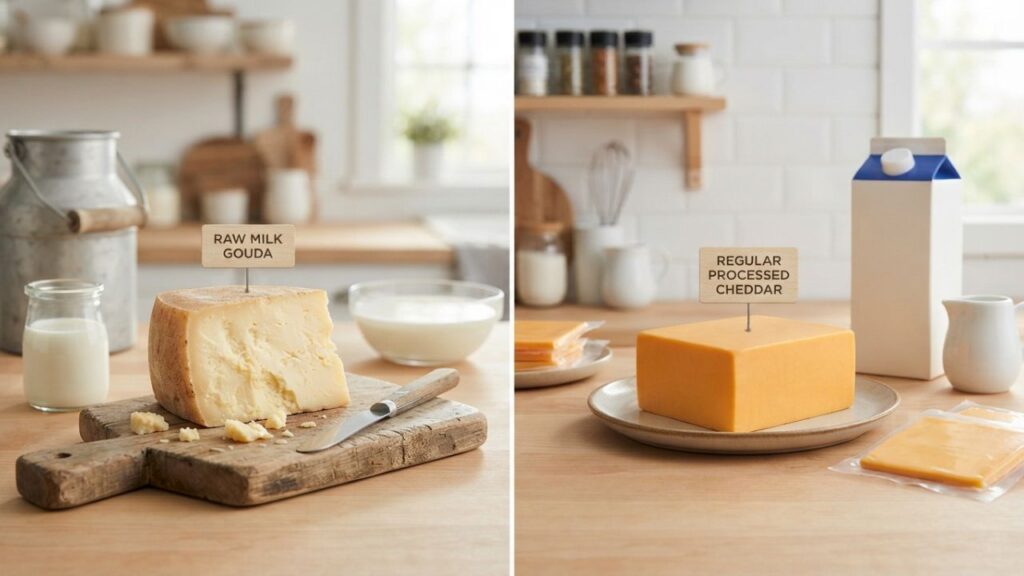
Unsalted Raw Cheese vs Regular Cheese
| Unsalted Raw Cheese | Regular Cheese |
| Made from raw milk | Usually made from pasteurized milk |
| Little or no added salt | Often contains added salt |
| Fresh, natural flavor | Flavor depends on processing |
| Less processed | May involve more processing |
| Requires careful storage | Usually has longer shelf life |
Important Note: Raw cheese may carry a higher risk of foodborne illness. Pregnant women, infants, young children, older adults, and people with weakened immune systems should avoid it or consult a healthcare provider. We are not doctors or medical professionals. For more information, read the FDA guide, “The Dangers of Raw Milk: Unpasteurized Milk Can Pose a Serious Health Risk.”
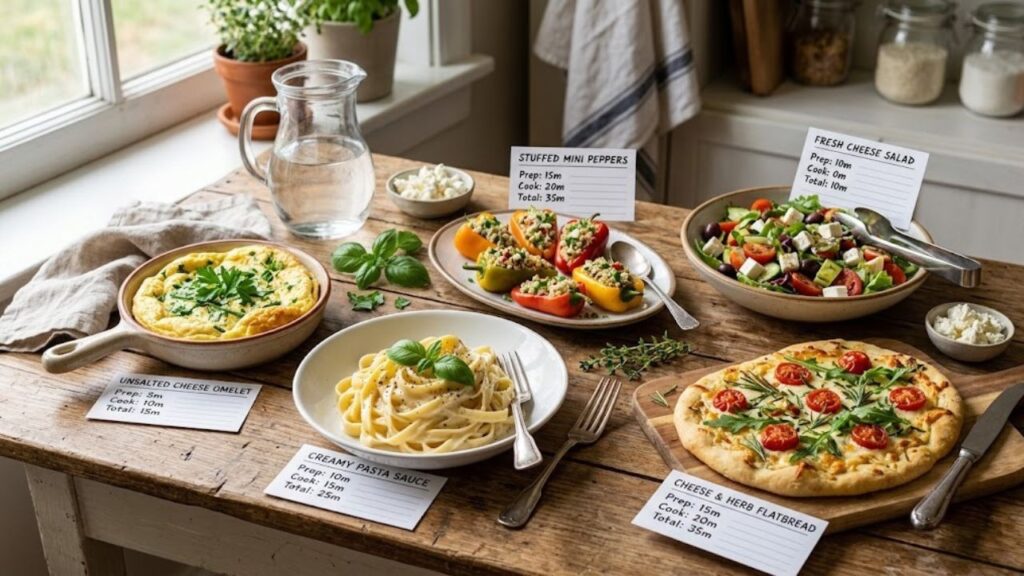
Unsalted Raw Cheese Recipes and Preparation Time
These recipes use unsalted raw cheese as a key ingredient along with vegetables, herbs, grains, eggs, and other simple ingredients. Each recipe includes preparation and cooking times to help you choose an option that fits your schedule.
1. Creamy Raw Cheese Pasta
- Preparation Time: 10 minutes
- Cooking Time: 20 minutes
- Total Time: 30 minutes
- Yield: 4 servings
2. Cheese Stuffed Peppers
- Preparation Time: 15 minutes
- Cooking Time: 40 minutes
- Total Time: 55 minutes
- Yield: 4 servings
3. Savory Cheese and Herb Omelet
- Preparation Time: 10 minutes
- Cooking Time: 10 minutes
- Total Time: 20 minutes
- Yield: 2 servings
4. Fresh Cheese Salad
- Preparation Time: 15 minutes
- Cooking Time: 0 minutes
- Total Time: 15 minutes
- Yield: 4 servings
5. Homemade Cheese Flatbread
Preparation Time: 15 minutes
Cooking Time: 20 minutes
Total Time: 35 minutes
Yield: 4 servings
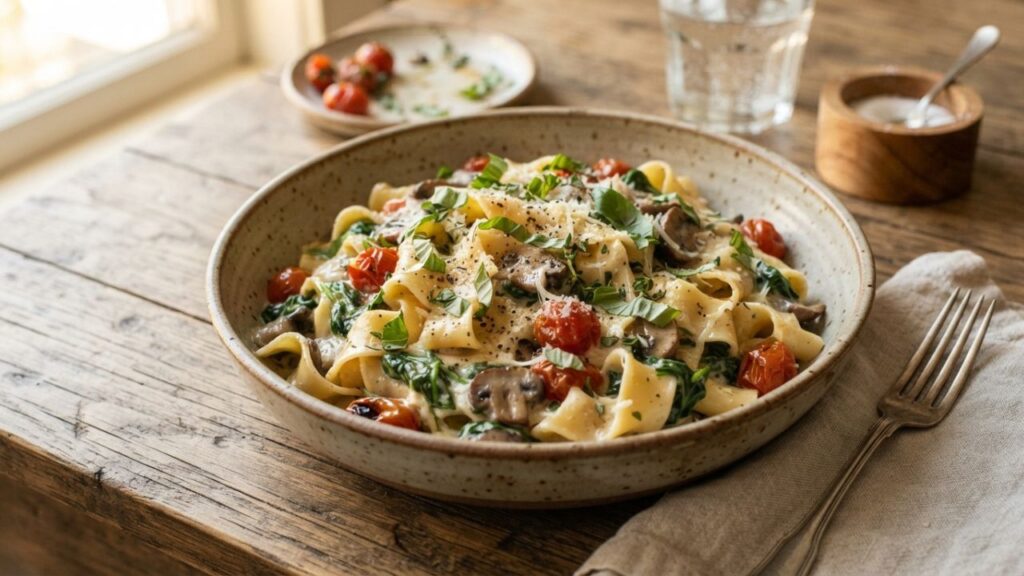
Recipe 1: Creamy Raw Cheese Pasta
Creamy raw cheese pasta is an easy and flavorful meal that combines unsalted raw cheese with pasta, vegetables, herbs, and simple seasonings. The cheese creates a smooth texture and adds a mild dairy flavor.
Ingredients
- 200g pasta of your choice
- 100g unsalted raw cheese
- 2–3 fresh garlic cloves, finely chopped
- 2 tablespoons olive oil or butter
- 1/4 cup fresh basil or parsley
- 1 cup spinach, mushrooms, or tomatoes
- 1/2 teaspoon black pepper
- Preferred seasonings to taste
Step-by-Step Instructions
1. Prepare the Pasta
Cook the pasta according to the package directions. Drain and set aside.
2. Cook the Garlic
Heat olive oil or butter in a pan. Add garlic and cook until fragrant.
3. Cook the Vegetables
Add your chosen vegetables and sauté until slightly tender.
4. Add the Raw Cheese
Add the raw cheese and cook gently until softened.
5. Combine the Pasta
Add cooked pasta and mix everything until well combined.
6. Add Seasoning
Add black pepper, herbs, and preferred seasonings.
7. Serve Warm
Serve the pasta warm with fresh herbs or black pepper.
Best Drink Pairings
- Fresh lemonade
- Cucumber mint water
- Iced herbal tea
- Sparkling water with lemon
- Fresh orange juice
Serving Ideas
Serve creamy raw cheese pasta with a fresh green salad, roasted vegetables, or warm garlic bread. It also works well as a simple main dish for lunch or dinner.
Ingredient Substitutions
| Original Ingredient | You Can Use Instead |
| Pasta | Whole wheat pasta |
| Unsalted raw cheese | Fresh soft cheese |
| Olive oil | Avocado oil |
| Fresh basil | Fresh parsley |
| Fresh garlic | Garlic powder |
| Spinach | Mushrooms |
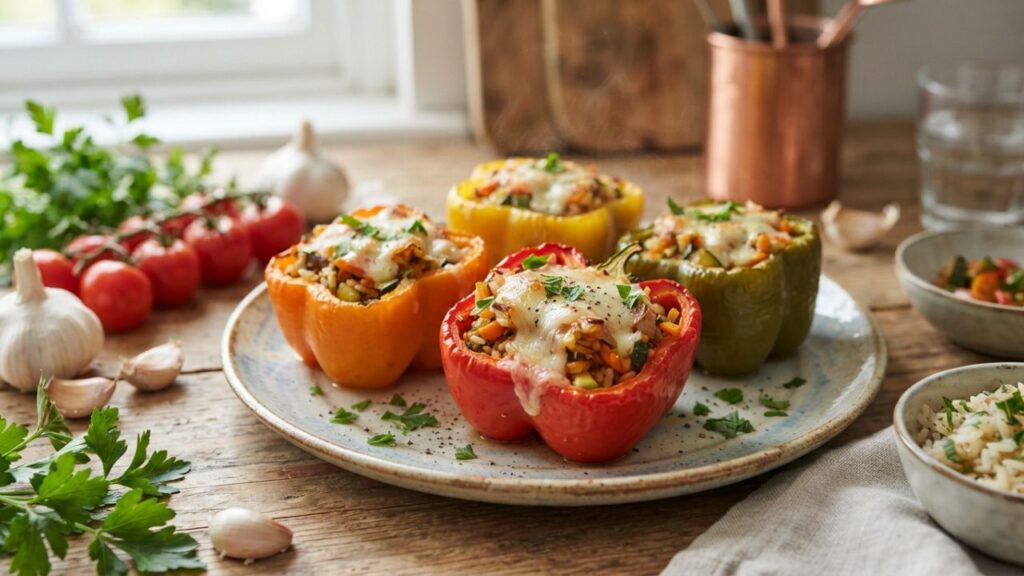
Recipe 2: Cheese Stuffed Peppers
Cheese stuffed peppers are a satisfying meal made with unsalted raw cheese, vegetables, grains, and herbs. The creamy filling pairs well with sweet baked peppers.
Ingredients
- 4 large bell peppers
- 150g unsalted raw cheese
- 1 cup cooked rice or quinoa
- 1 cup chopped tomatoes, onions, or spinach
- 2 tablespoons fresh parsley or cilantro
- 2 tablespoons olive oil
- 2 fresh garlic cloves
- 1/2 teaspoon black pepper
- Preferred seasonings to taste
Step-by-Step Instructions
1. Prepare the Peppers
Wash the peppers, cut off the tops, and remove the seeds.
2. Make the Filling
Mix cooked rice, vegetables, herbs, and raw cheese in a bowl.
3. Add Seasonings
Add olive oil, garlic, black pepper, and preferred seasonings.
4. Fill the Peppers
Spoon the mixture evenly into each pepper.
5. Bake the Peppers
Place the peppers in a baking dish and bake until tender.
6. Rest Before Serving
Let the peppers rest for a few minutes after baking.
7. Serve Warm
Serve the stuffed peppers warm with a fresh salad.
Best Drink Pairings
- Mint lemonade
- Fresh tomato juice
- Cucumber water
- Apple juice
- Sparkling water with lime
Serving Ideas
Serve cheese stuffed peppers with a fresh salad, steamed vegetables, or a light grain side. They make a filling option for lunch or dinner.
Ingredient Substitutions
| Original Ingredient | You Can Use Instead |
| Bell peppers | Poblano peppers |
| Unsalted raw cheese | Fresh cottage cheese |
| Rice | Quinoa |
| Fresh parsley | Fresh cilantro |
| Olive oil | Avocado oil |
| Fresh garlic | Garlic powder |

Recipe 3: Savory Cheese and Herb Omelet
A savory cheese and herb omelet is a simple meal made with unsalted raw cheese, eggs, vegetables, and fresh herbs. It is suitable for breakfast or a quick meal.
Ingredients
- 3 fresh eggs
- 50g unsalted raw cheese
- 2 tablespoons fresh basil, chives, or parsley
- 1/2 cup chopped onions, bell peppers, or spinach
- 1 tablespoon butter or olive oil
- 1/2 teaspoon black pepper
- Preferred seasonings to taste
Step-by-Step Instructions
1. Prepare the Eggs
Beat the eggs in a bowl until smooth.
2. Heat the Pan
Warm butter or olive oil in a non-stick pan.
3. Cook the Vegetables
Add vegetables and cook until slightly tender.
4. Add the Eggs
Pour the beaten eggs into the pan and cook gently.
5. Add Cheese and Herbs
Add raw cheese and fresh herbs to one side.
6. Fold the Omelet
Fold the omelet and cook until the eggs are fully set.
7. Serve Warm
Transfer to a plate and serve immediately.
Best Drink Pairings
- Fresh orange juice
- Apple juice
- Mixed fruit smoothie
- Herbal tea
- Lemon water
Serving Ideas
Serve the savory cheese and herb omelet with toasted bread, fresh tomatoes, or a simple green salad. It is a convenient choice for breakfast or a light meal.
Ingredient Substitutions
| Original Ingredient | You Can Use Instead |
| Unsalted raw cheese | Fresh cottage cheese |
| Butter | Olive oil |
| Fresh basil | Fresh parsley |
| Bell peppers | Mushrooms |
| Fresh eggs | Egg whites |
| Black pepper | White pepper |
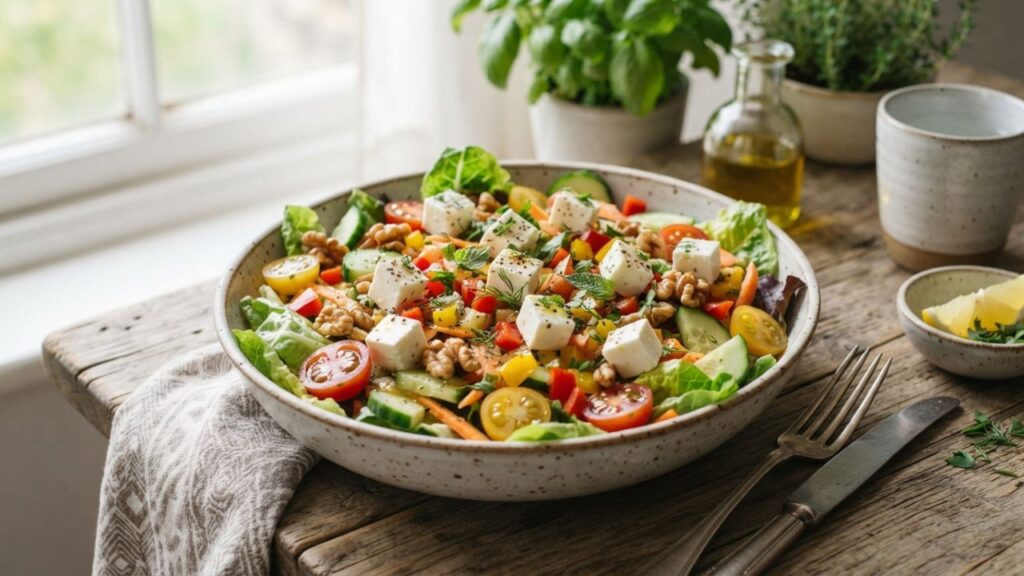
Recipe 4: Fresh Cheese Salad
Fresh cheese salad is a light meal made with unsalted raw cheese, vegetables, leafy greens, herbs, and a simple homemade dressing.
Ingredients
- 2 cups lettuce or mixed greens
- 100g unsalted raw cheese
- 1 cup cherry tomatoes
- 1 cucumber
- 1/2 cup carrots or bell peppers
- 2 tablespoons nuts or seeds
- 2 tablespoons olive oil
- 1 tablespoon fresh lemon juice
- 2 tablespoons fresh parsley, basil, or dill
- 1/2 teaspoon black pepper
- Preferred seasonings to taste
Step-by-Step Instructions
1. Prepare the Vegetables
Wash and dry all vegetables thoroughly.
2. Chop the Ingredients
Cut the vegetables into bite-sized pieces.
3. Combine the Salad
Add the vegetables to a large bowl and mix gently.
4. Add Raw Cheese
Add crumbled or cubed raw cheese to the salad.
5. Prepare the Dressing
Mix olive oil, lemon juice, herbs, and black pepper.
6. Toss the Salad
Pour the dressing over the salad and toss gently.
7. Add Final Touches
Top with nuts or seeds and serve fresh.
Best Drink Pairings
- Watermelon juice
- Lemon cucumber water
- Iced green tea
- Sparkling water with mint
- Pineapple juice
Serving Ideas
Serve fresh cheese salad with grilled vegetables, warm flatbread, or a light soup. It works well as a refreshing lunch or side dish.
Ingredient Substitutions
| Original Ingredient | You Can Use Instead |
| Lettuce | Spinach |
| Unsalted raw cheese | Fresh feta cheese |
| Cherry tomatoes | Regular tomatoes |
| Olive oil | Avocado oil |
| Lemon juice | Lime juice |
| Fresh parsley | Fresh cilantro |
| Nuts | Pumpkin seeds |

Recipe 5: Homemade Cheese Flatbread
Homemade cheese flatbread is a warm and versatile dish made with unsalted raw cheese, vegetables, herbs, and simple seasonings. The cheese topping adds a creamy texture and mild flavor.
Ingredients
- 1 flatbread dough or homemade dough portion
- 100g unsalted raw cheese
- 2 tablespoons olive oil
- 2 tablespoons fresh basil, oregano, or parsley
- 1 cup tomatoes, onions, mushrooms, or bell peppers
- 2 fresh garlic cloves
- 1/2 teaspoon black pepper
- Preferred seasonings to taste
Step-by-Step Instructions
1. Prepare the Dough
Roll the dough evenly on a clean surface.
2. Add Olive Oil
Lightly brush the dough with olive oil.
3. Add Vegetables
Spread the vegetables evenly over the dough.
4. Add Raw Cheese
Add crumbled raw cheese over the vegetables.
5. Add Seasonings
Sprinkle herbs, garlic, black pepper, and seasonings over the top.
6. Bake the Flatbread
Bake until the crust is golden and the cheese is soft.
7. Serve Warm
Let it cool briefly, then slice and serve.
Best Drink Pairings
- Fresh mango juice
- Iced lemon tea
- Mint yogurt drink
- Citrus-infused water
- Fresh grape juice
Serving Ideas
Serve homemade cheese flatbread with a fresh salad, roasted vegetables, or a simple soup. It can be enjoyed as a quick snack, lunch, or light dinner.
Ingredient Substitutions
| Original Ingredient | You Can Use Instead |
| Flatbread dough | Naan bread |
| Unsalted raw cheese | Fresh mozzarella |
| Olive oil | Avocado oil |
| Fresh basil | Fresh parsley |
| Bell peppers | Mushrooms |
| Fresh garlic | Garlic powder |
| Black pepper | Italian seasoning |
How to Store Unsalted Raw Cheese
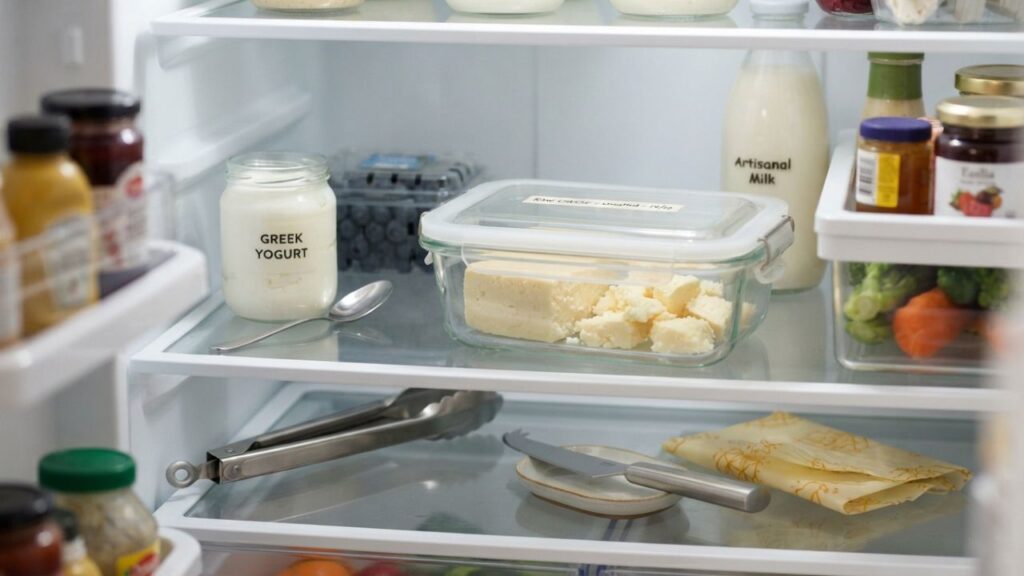
Proper storage helps maintain the freshness, texture, and flavor of unsalted raw cheese. Keep it refrigerated in a sealed container and handle it carefully to prevent spoilage and maintain quality.
Refrigeration Tips
Proper storage helps maintain the freshness, texture, and natural flavor of unsalted raw cheese. Store it in a clean, sealed container in the refrigerator to protect it from air exposure and unwanted odors. Always use clean utensils when handling the cheese to maintain its quality.
For more information about proper cheese storage and handling practices, visit Clemson University’s guide on Handling of Cheese for Safety & Quality.
Freezing Method
Unsalted raw cheese can be frozen, but freezing may slightly change its texture. After thawing, it may become more crumbly, making it better suited for cooked dishes such as pasta, baked recipes, and fillings.
Signs of Spoilage
Avoid using cheese if it develops
- An unusual smell
- Visible mold
- Major texture changes
- An unpleasant taste
Checking these signs helps ensure the cheese remains fresh and suitable for use.
Common Unsalted Cheese Mistakes
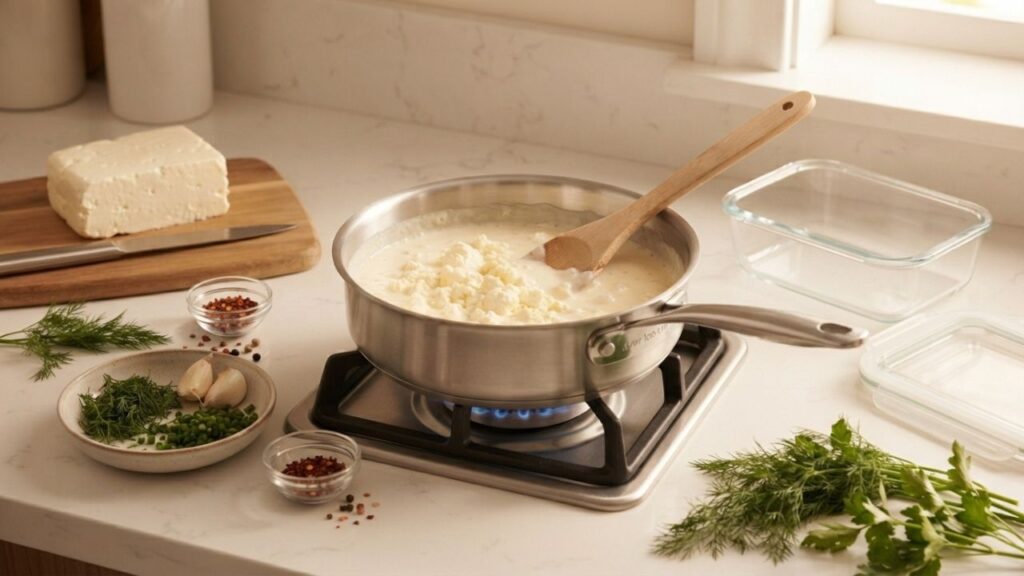
Unsalted raw cheese has a delicate flavor and soft texture, so using the right cooking methods helps maintain its quality. Gentle heat, balanced seasonings, and proper storage all contribute to better taste and consistency. By avoiding a few common mistakes, you can enjoy flavorful dishes while preserving the cheese’s natural freshness.
Avoid Overheating
Cook unsalted raw cheese over low to medium heat to help it soften gradually without becoming rubbery or separating. Gentle cooking preserves its creamy texture and natural dairy flavor.
Season Carefully
Since unsalted raw cheese contains no added salt, use herbs, garlic, black pepper, lemon juice, or mild spices to enhance its flavor. Avoid using too many strong seasonings that can overpower the cheese’s delicate taste.
Smart Seasoning
Keep leftover dishes containing unsalted raw cheese in an airtight container and refrigerate them promptly. Proper storage helps maintain freshness, food safety, and the best possible flavor for later use.
FAQs
1. Is there any cheese with no salt?
Yes, some fresh cheeses can be made without added salt, including unsalted ricotta, cream cheese, and homemade fresh cheese.
2. Where can I buy unsalted cheese?
You can find unsalted cheese at some specialty cheese shops, health-food stores, farmers’ markets, or online retailers.
3. Which cheese is unsalted?
Fresh cheeses such as unsalted ricotta, cottage cheese, and farmer cheese may be available without added salt.
4. What cheese is naturally raw?
Raw cheese is made from unpasteurized milk. Examples include some traditional cheddar, gouda, and soft farmstead cheeses.
Conclusion
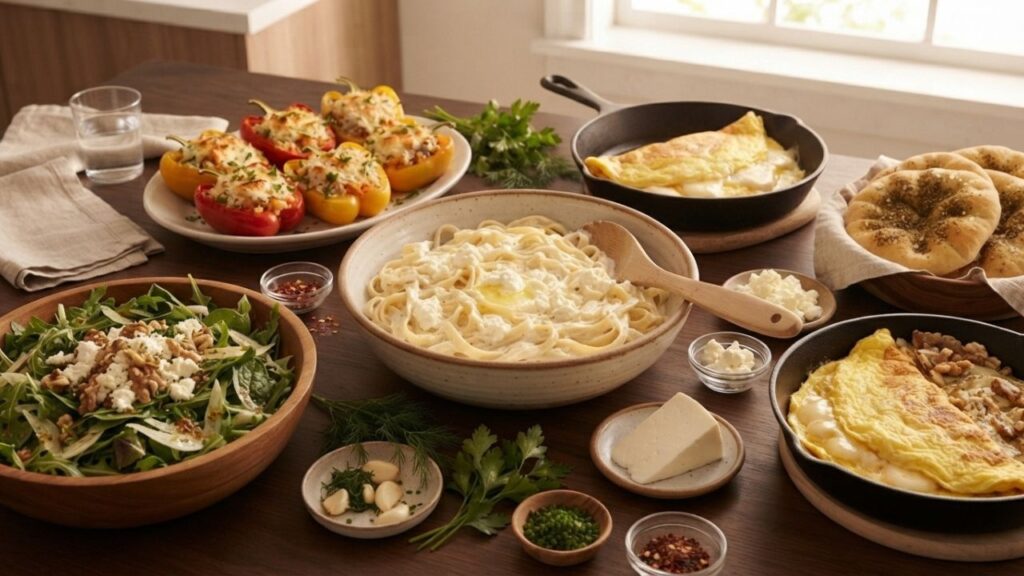
From quick breakfasts to comforting dinners, unsalted raw cheese adds freshness and texture to homemade recipes. Use it in creamy pasta, stuffed peppers, fresh salads, or homemade flatbread. Its mild flavor pairs well with fresh herbs, vegetables, spices, and quality ingredients. Whether making breakfast or a family dinner, this cheese can help create simple, flavorful, and enjoyable meals.